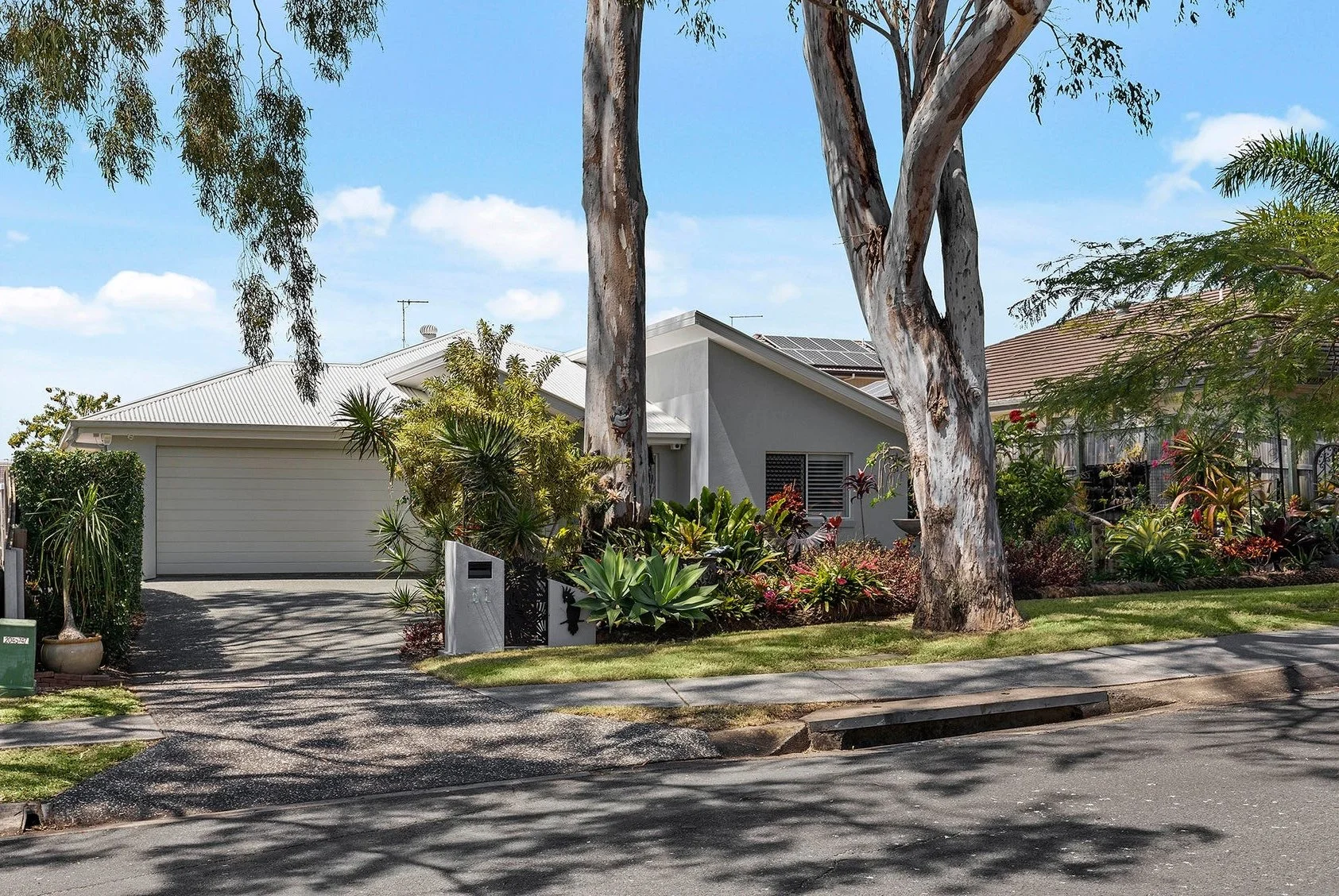
Signs it might be time to Downsize
Rightsizing is a choice, not a compromise. Here are the signs it might be time to start thinking about your next chapter.
Downsizing is a big decision
The family home holds precious memories, ones that will likely never be replaced.
It’s where children were raised, birthdays were celebrated, and many milestones were checked off. This home may also be a genuine source of pride after decades of hard work. With this history considered, it’s no surprise that the idea of moving can feel like a loss rather than a fresh start.
If you’re on of many Queenslanders who have considered the idea of downsizing, you’re in good company.
In national research from AHURI on older Australians, 26% of people aged 55 and over had already downsized and a further 29% had considered it. That’s more than half, either making the move or seriously weighing it up.
At Hot Property Buyers Agency, we prefer to call it rightsizing, because when it’s done right, that is what it really can be. Not giving something up, but choosing a new home that actually fits the life you’re living now, and the one you want ahead of you. Housing researchers and seniors’ advocates increasingly prefer the term too, because it puts the focus on what you gain and the lifestyle that can go alongside it.
There is rarely one moment that makes the decision obvious. It’s usually a collection of smaller signs that build over time. Here are the ones we hear about most often.
1. Bedrooms are sitting empty for most of the year
If rooms are only used when family visits, or have quietly become storage, it may be a sign that your home was built for a different chapter.
Space is wonderful when you use it, but it still needs to be cleaned, cooled, and maintained whether anyone is in it or not.
A spare room isn’t a problem in itself, and plenty of people use theirs well. In the research, 58% of people with spare bedrooms kept one as a permanent guest room and half used one as a study. The sign to look for is when a room has stopped earning its place.
Rightsizing also doesn’t have to mean a tiny home: three bedrooms was the preferred size among older Australians, and around two thirds of those who downsized still had a spare room.
2. The garden has become a chore rather than a joy
Many people love their garden for decades, and then one day realise their weekends are disappearing with an endless list of tasks such as mowing, trimming, trips to the dump and pool care. If you’d rather spend that time doing something you enjoy, a lower-maintenance property could give you hours back every week.
The research suggests this is a sign that tends to grow with age. Among people who had downsized, 55% said one of the benefits was less time spent maintaining the property, and among those still considering a move, 71% expected that benefit. For people aged 55 to 64, only 11% said upkeep was their main reason for moving. For those aged 75 and over, it was 31%.

3. The upkeep is costing more than it’s worth
Fixing & replacing older fixtures, roof repairs, painting, pest treatments, rates and insurances all add up, and larger homes tend to bring larger bills. If maintenance has started to feel like a second job, or you’re relying on too many trades to keep things ticking along, it’s worth asking whether that money and energy could be better directed elsewhere.
People who have made the move to properties more aligned with their lifestyle report seeing the difference. In the research, 48% said they had lower maintenance costs and 42% said their overall housing costs had dropped. Two thirds (66%) of those still thinking about it expected lower maintenance costs to be a benefit.
4. The layout no longer suits your day to day life
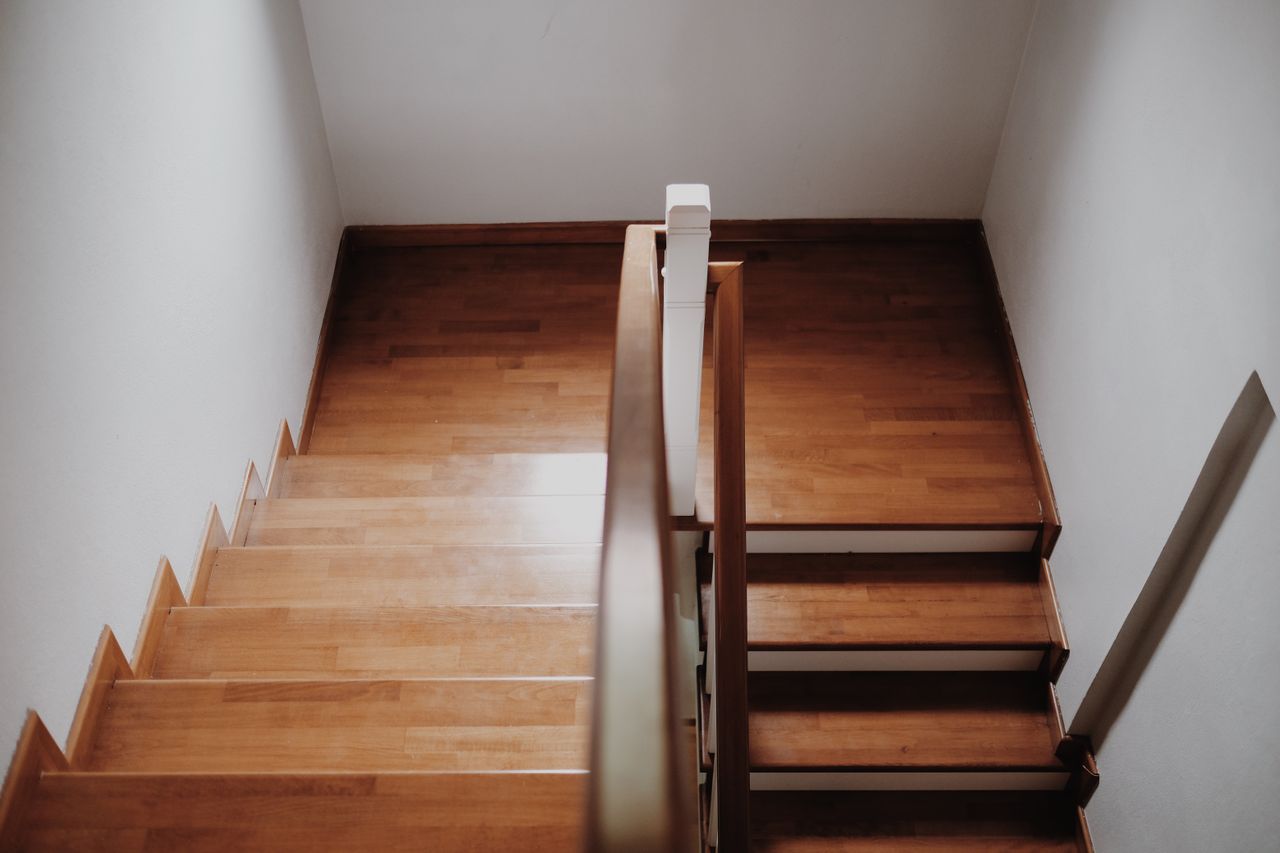
Steep driveways, stairs, split levels, long walks to the letterbox or a bedroom at the opposite end of the house can become more noticeable over time, especially if any health issues have been experienced. The best time to think about this is while you’re still active and well, so that any property move is a choice you make rather than one you’re forced into.
A home that suits you also tends to feel safer. Among people who had downsized, 36% said they felt more safe and secure in their new home. One seniors’ advocate interviewed for the research made the point that living in a home that supports you as you enter later life can reduce the chance of an early move into residential care.
5. You’re not close to what matters most to you
It could be family, a favourite walking track, the local pilates class, the water, your regular café or a medical precinct. A smaller home only improves your life if it’s close to the things you actually use, rather than simply being cheaper to run on paper.
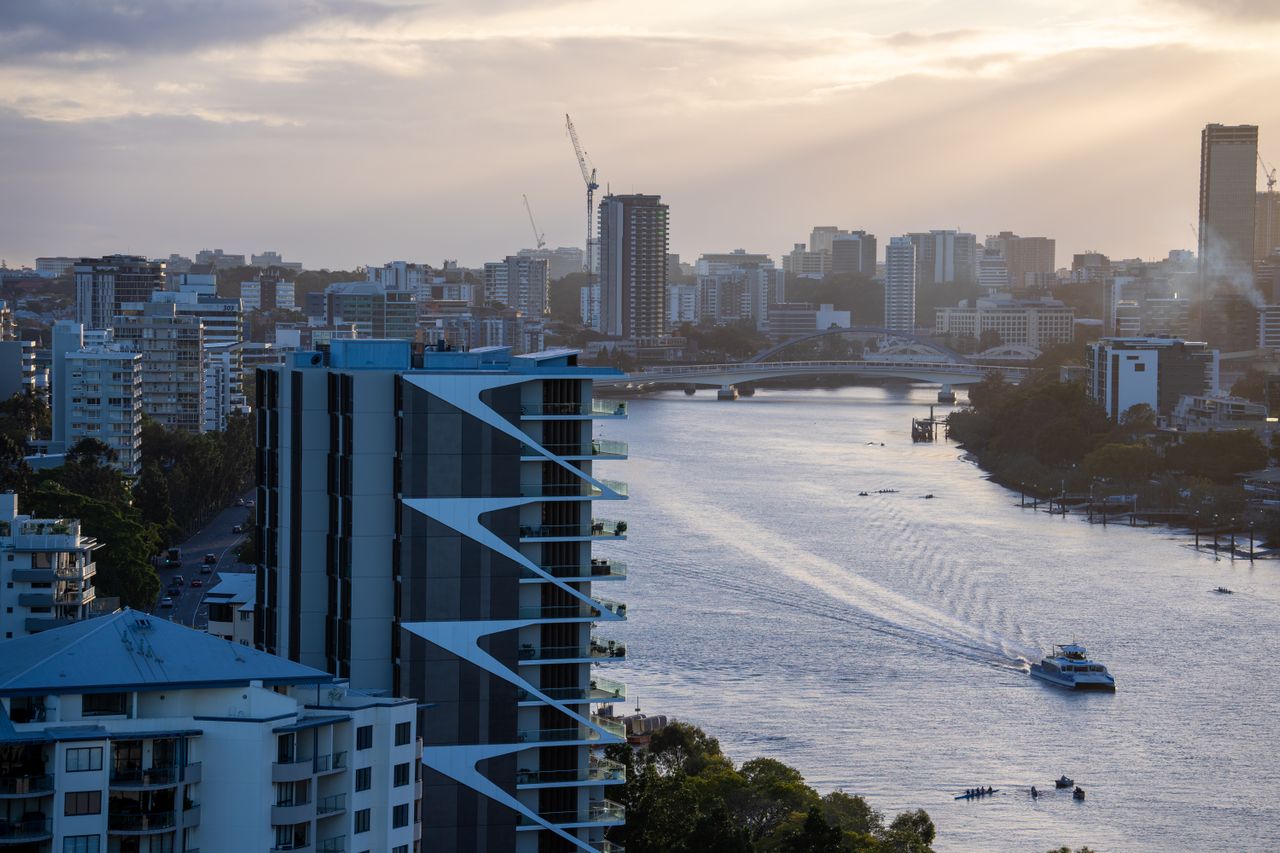
The research shows people are open to choosing a new location. Of those who downsized, 40% said a better location was one of the benefits, only 22% stayed in their original neighbourhood, and 42% moved somewhere that was completely new to them.
6. You keep thinking about a different kind of home
If you find yourself browsing real estate listings, or imagining a place with less to look after and more freedom to travel or simply relax, pay attention to that. It’s often the clearest sign of all, and it’s worth having a conversation before the feeling turns into pressure.
It may help to know how common this is. Of those surveyed, 29% of older Australians had considered a move without yet making one. If the idea is becoming more of a reality, it may be worth considering the areas and types of property that will allow you to live the lifestyle you are picturing. If you don’t know where that may be, we’d be happy to have a conversation.

7. Your financial picture could work harder for you
Selling a larger home can unlock equity that may support your retirement, help family, or fund the lifestyle you’ve been working towards. There can also be genuine opportunities, including the Downsizer Contribution scheme, which allows eligible Australians aged 55 and over to contribute up to $300,000 each from the sale of their home into superannuation.
For those eligible, this may help to reduce fees and expenses when selling and make a move more feasible.
Only a small number of people use the scheme each year. According to ATO data, around 4,300 Queenslanders made a downsizer contribution in 2024/25, and the preliminary figure for 2025/26 is similar at around 4,400.
Not everyone is eligible, or selling, in any given year, but with close to a million Queenslanders aged 65 and over, it’s a reminder that this is an option plenty of people have never looked into. If you’ve held back because you’re unsure what it would cost or how it would work, a conversation with a qualified adviser or accountant can clear it up early.
Why timing matters
Rightsizing while you’re still active, still healthy and still able to enjoy the choice is an opportunity, not a compromise. It can mean a decade or two in a home that suits you better, in a location that’s closer to the life you actually want.
Here’s what the data says on timing when it comes to downsizing.

A change in health
Among people who had thought about downsizing, a health change was the most common trigger, and it becomes more common with age: 51% of those aged 55 to 64, 63% of those aged 65 to 74 and 74% of those aged 75 and over named it. The longer a decision waits, the more likely it is to be prompted by a change in health rather than by choice.
How a move happens
Of the people who had downsized, 15% did so because they were forced to, and they described a less positive experience. People who moved by choice, and earlier in life, found it less stressful than those who moved later or under pressure. Some people who had made the move said they wished they’d done it sooner, so they had longer to enjoy it.
Waiting for an event
Housing providers interviewed for the research said many people only start looking at their options after a significant event or a crisis. Their advice was to start thinking about it from around 50, so that you can settle into a new community gradually rather than starting from scratch later in life, when it may be a shock or harder to adapt to new surroundings.
Rightsizing on Brisbane’s north side: the local picture
This conversation is only going to get more common. Across Queensland, the number of people aged 65 and over has more than doubled in 20 years to 987,239 in 2025, about 17.4% of the population, and seniors remain the state’s fastest growing age group.
The local housing was largely built for family life, which makes it a little less natural a fit for what comes next. About 74% of homes in Brisbane North have three or more bedrooms and a third (34%) have four or more, yet 27% of households are a single person and the average household has just 2.5 people.
In practice, that means smaller or more practical homes are the minority in the local market, so the right one can take some finding. That’s especially true if you want to stay close to your own neighbourhood, or move somewhere new that has the parks, shops, water and medical care you’d like nearby. It’s where local knowledge makes a real difference.
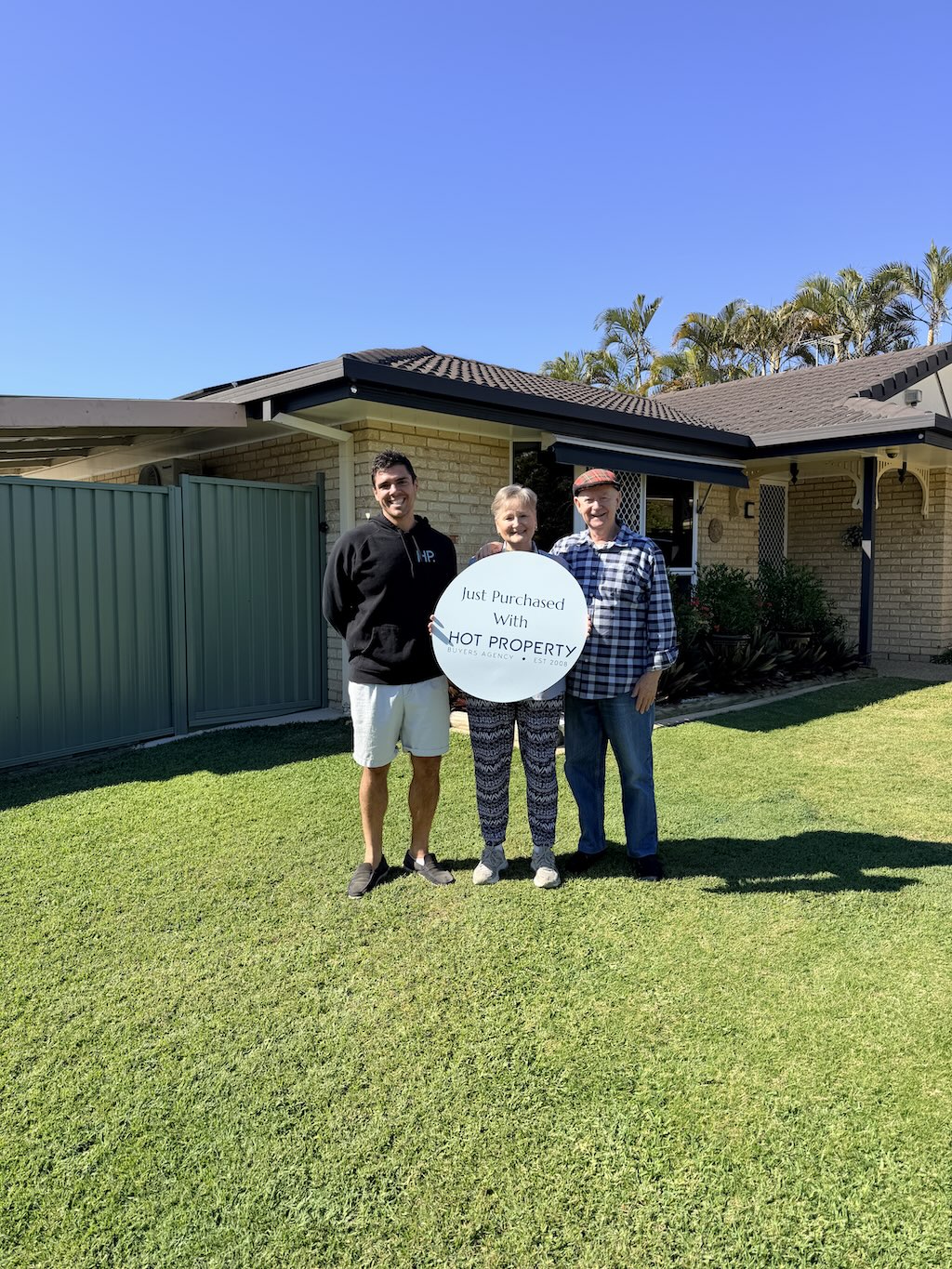
Many properties that we help our clients secure are purchased off-market through our extensive list of contacts, so having someone in your corner who can help uncover more opportunities can increase your options when you’re on the lookout for a new home.
You don’t have to work it out alone
Finding the right home is often the sticking point. In the research, 40% of potential downsizers said they would be likely to move if suitable housing were available in their preferred location.
That’s where a buyers agent can help.
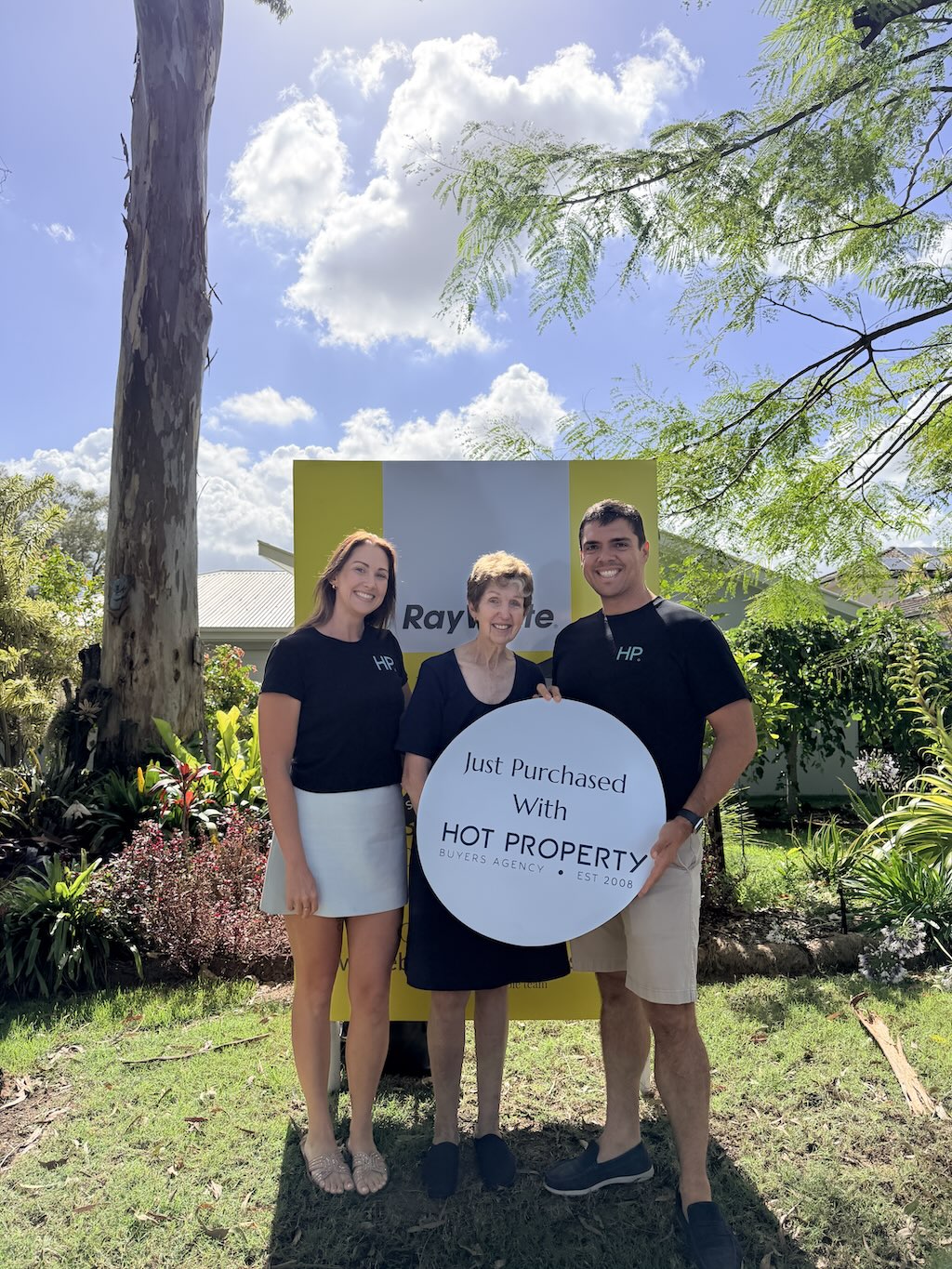
We work for you, not the seller, helping you find, assess and secure the right property, often pointing you toward suburbs and property types you may not have considered. And you don’t need to have sold your home before getting started.
In fact, the sooner we start talking, the sooner we can help you put together a strategic plan.
Frequently Asked Questions
Our initial consultation is a 30 minute call.
Ready to talk about rightsizing?
If a few of these signs sound familiar, the first step is simply a conversation. The initial consultation with Zoran and Maddy is a free, no obligation 30 minute call, and we’d love to hear your story and what you’re hoping for next.